It happened. I knew it inevitably would.
The finality of it came this past August (2015). It was the first week back at school, and I was doing a “get to know you” activity with my middle school Music Marketing and Management class*.
It was a simple activity where they had to fill out a little questionnaire about themselves and their musical tastes – Current favorite song, favorite artist, and favorite album. My conditions were that when I called out one of the questions on the questionnaire they could share their answer, and they had to answer at least one question.
When I came to the question, “What’s your favorite album of all time?” I was met with puzzled looks. Finally, one kid said, “What’s an album?”
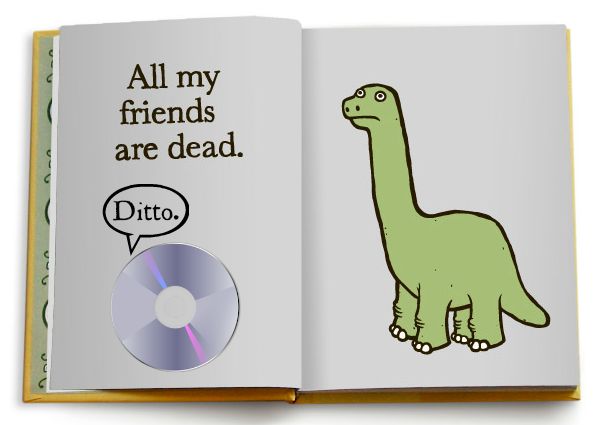
I don’t mean to be overdramatic, but my heart instantly dropped to my stomach. I was afraid that something like this would happen. The rise of Mp3 players, iTunes downloading, homogenized popular music through almost two decades, and the birth of vocal contest shows like American Idol and The Voice meant only one thing – the death of the album.
When I was little, and I only wanted to listen to one particular song, I had to sit in front of my cassette recorder and listen to the radio, just to be able to record that single song on a blank tape. When I was in third grade, I bought my first cassette tape – Bon Jovi: New Jersey. I only knew two songs on the album, but I got to know the entire album really well. It was just too much of a hassle to have to constantly rewind or fast-forward to my favorite songs. Since I bought the tapes with my allowance, I wasn’t about to waste my money on singles. The full albums were only a couple dollars more.
In college, whenever I was feeling stressed out, sad, or angry, I would go to CD Warehouse, Hastings, Vintage Vinyl, or any used CD store that I frequented. It was my therapy, and no matter what I was going through, I would find the answer in an album I hadn’t yet discovered. There was (and still is) something invigorating about listening to a new album, even it’s just new to you, and realizing that these musicians opened their hearts and shared their personal feelings through their own creative experience. I love listening to a new song and thinking, “I know exactly how you feel!”
When I came back to the U.S. in July of 2005 after spending a year in Cairo, Egypt, my best friend and I went to Best Buy to look at the latest in music technology – the Apple iPod. All of my albums could go on this one device, and I could FINALLY get rid of my CD visors in my car. Why wouldn’t I buy it?
I downloaded iTunes for the first time, imported all of my own music, and enjoyed skipping to whatever song I wanted without having to switch any tapes or CDs. Then I found the iTunes store. You mean to tell me that I could just download a single song for only 99 cents? I knew that was dangerous. That’s when I knew things would change.
At that moment, I vowed to download AT LEAST 10-15 full albums as year. I know that I couldn’t stop the way things were changing, but I was sure as hell not going to compromise my own musicianship.
Fast-forward back to August of 2015. About 99% of my students had never even listened to a full album. There was one student that named a Black Keys album as his favorite, but he was a very talented musician himself, so it didn’t surprise me that he didn’t fall into that changing trend.
One night in late August of 2015, I was listening to The Q by CBC Radio on NPR, and they were interviewing Fat Mike from NOFX about his 25 year anniversary of his label Fat Wreck Chords (link to interview). Fat Mike talked about his ups and downs being in the music business, his work ethics and integrity he tried to keep despite the corruption of big labels, and what he learned from it all. He then mentioned a story when talking about his own personal life – he talked about a new album in front of his daughter and she asked him, “What’s an album?” I was COMPLETELY floored! This man was the epitome of anti-establishment, individualization in music, rejecting musical trends, and catering to the masses, and his own daughter had been caught in the trend. If his own child fell into this trend, what hope do I have for my own children?
Ever since then, I speak to my middle schoolers of the importance of respecting a musician’s creative process and giving their whole album a chance. I have that advantage with being a music teacher – my students assume I know what I’m talking about. I know one thing’s for sure though, I’ll be damned if my kids don’t know what an album is.
*My Music Marketing and Management class that I’ve created is a class that gives students an opportunity to create their own imaginary record label, represent an artist of their choice and market the artist for voting among their peers. It’s not exactly the way I would like them to learn how they music industry works, but it gives them an idea of the bare bones process of it all.
 Sunday Night Panic Attack